UClips Review: The Most Versatile Home Gym Tool?
If you prefer video, you can watch my full hands-on UClips review on YouTube here:
▶ Watch the full UClips Review video review HERE
Purchase Link: UClips - DISCOUNT CODE: DAVESTRENGTH
If you train in a garage gym, you quickly realize something: you don’t always need more equipment. Instead, you need more versatility from the equipment you already have.
That’s exactly why I bought the UClip.
I’ve been using the UClip for almost 2 years now, both in my garage gym and with patients in a physical therapy setting, and it’s one of those tools that keeps earning its spot.
In this article, I’m going to break down:
What the UClip actually is
How I use it in both training and rehab
5 practical ways to add more exercise variety without buying bulky equipment
The pros, cons, and who it’s actually worth it for
If you’re looking to get more out of your current setup, this will give you a clear idea if the UClip is worth it for you.
What Is the UClip?
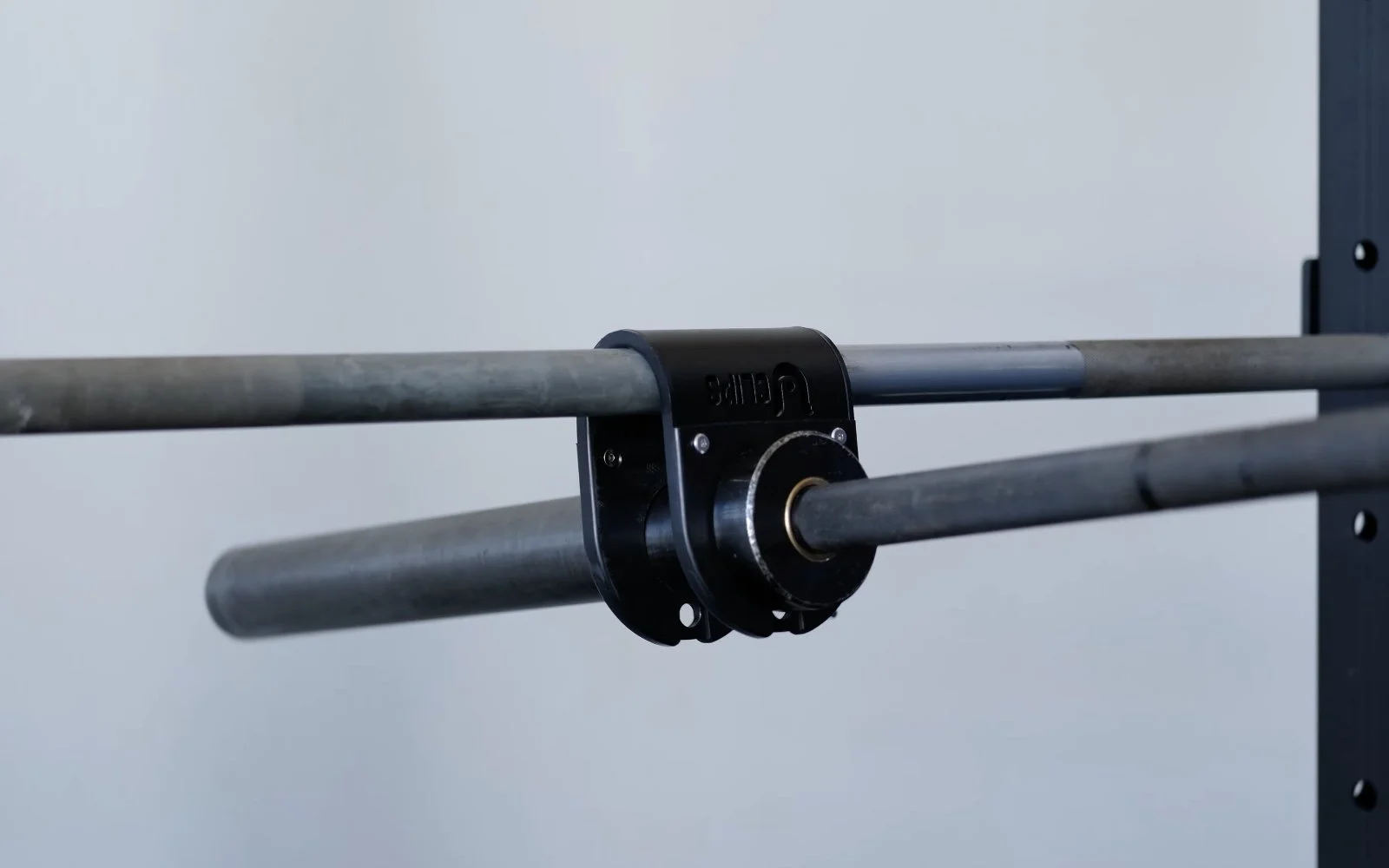
The UClip is a U-shaped barbell attachment that lets you connect your barbell to different setups. This opens the door to way more exercise options without bulky machines or additional equipment.
It’s a simple design, but well thought out:
Steel construction
Rubber lining (protects your barbell)
Multiple connection points for clips, carabiners, ropes, and attachments
Works with standard Olympic barbells
Who Is This For?
This can work for a lot of people, but I’d say it’s most useful if you fall into one of these:
You train in a garage gym
You don’t want to keep buying single-use attachments
You like setting up different variations of exercises
You’re a coach or physical therapist and want more options for clients
If you prefer machines for everything, you probably won’t use this much. But if you like being a little creative with your setup, you’ll get a lot out of the UClip.
How I Use the UClip (5 Ways)
These are the main ways I’ve used it over the past couple of years.
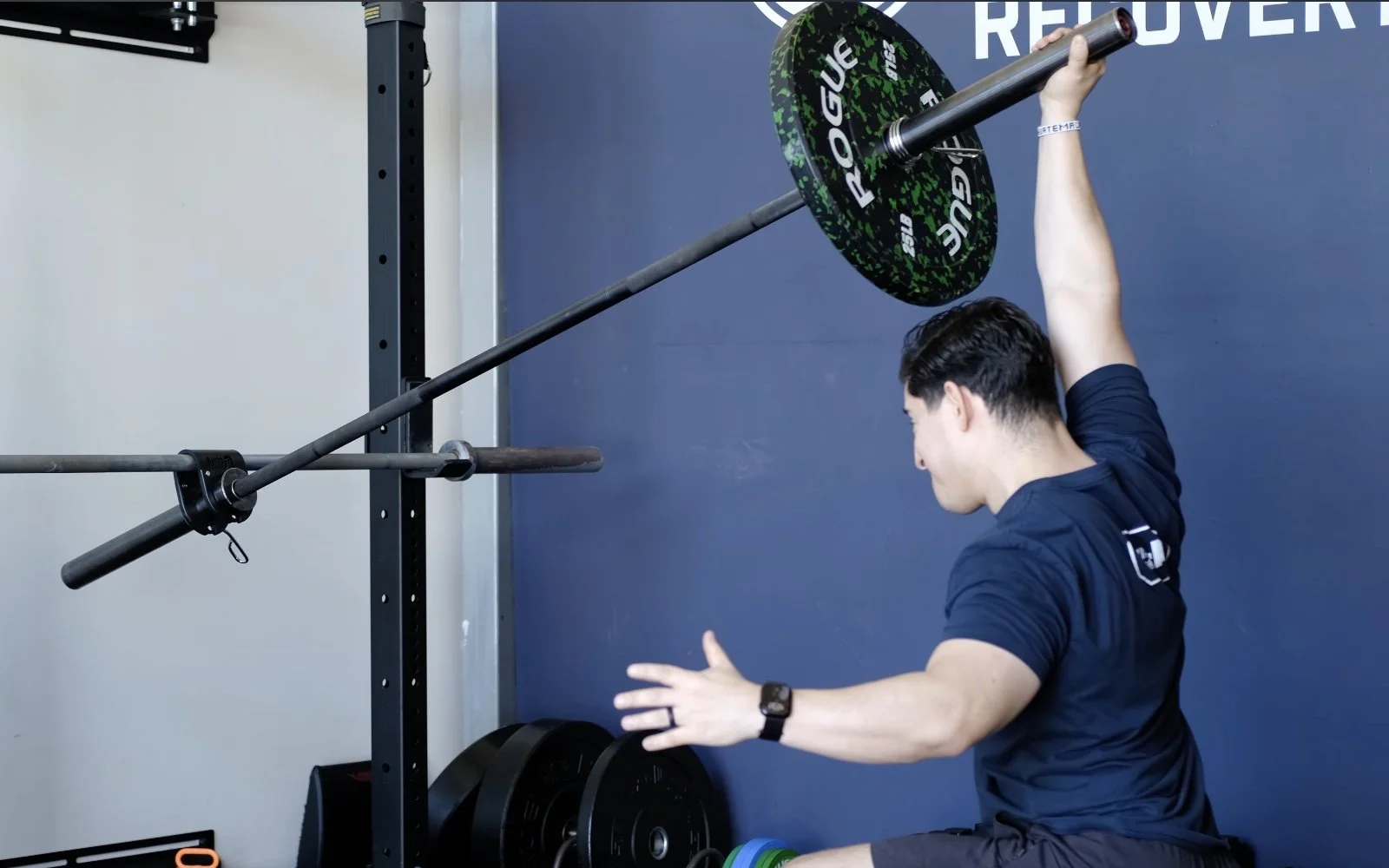
1. Elevated Landmine Setup
This is probably the way I use it the most.
Normally, with landmine exercises, the bar is set up on the ground, usually pressed against a corner of a room or on a landmine sleeve or a tennis ball. That creates more of an arc when you press overhead. That’s been the norm, and there’s really nothing wrong with that, but it can put you in a slightly forward position, especially with shoulder work.
With the UClip, you can elevate the bar to your desired height, allowing you to stay more upright and making movements feel a bit cleaner.
I use this for:
Shoulder presses like half-kneeling shoulder presses
Rotational work
Even some hack squat-style setups
and more
It’s definitely a new way to add versatility to your training. For me, I’ve mostly used it for my half-kneeling shoulder press whenever I want to press heavy weight overhead with a single arm, where a landmine may offer more stability than a dumbbell. The Uclip allows for a higher position of the bar, allowing for the weight to move straight up rather than forward.
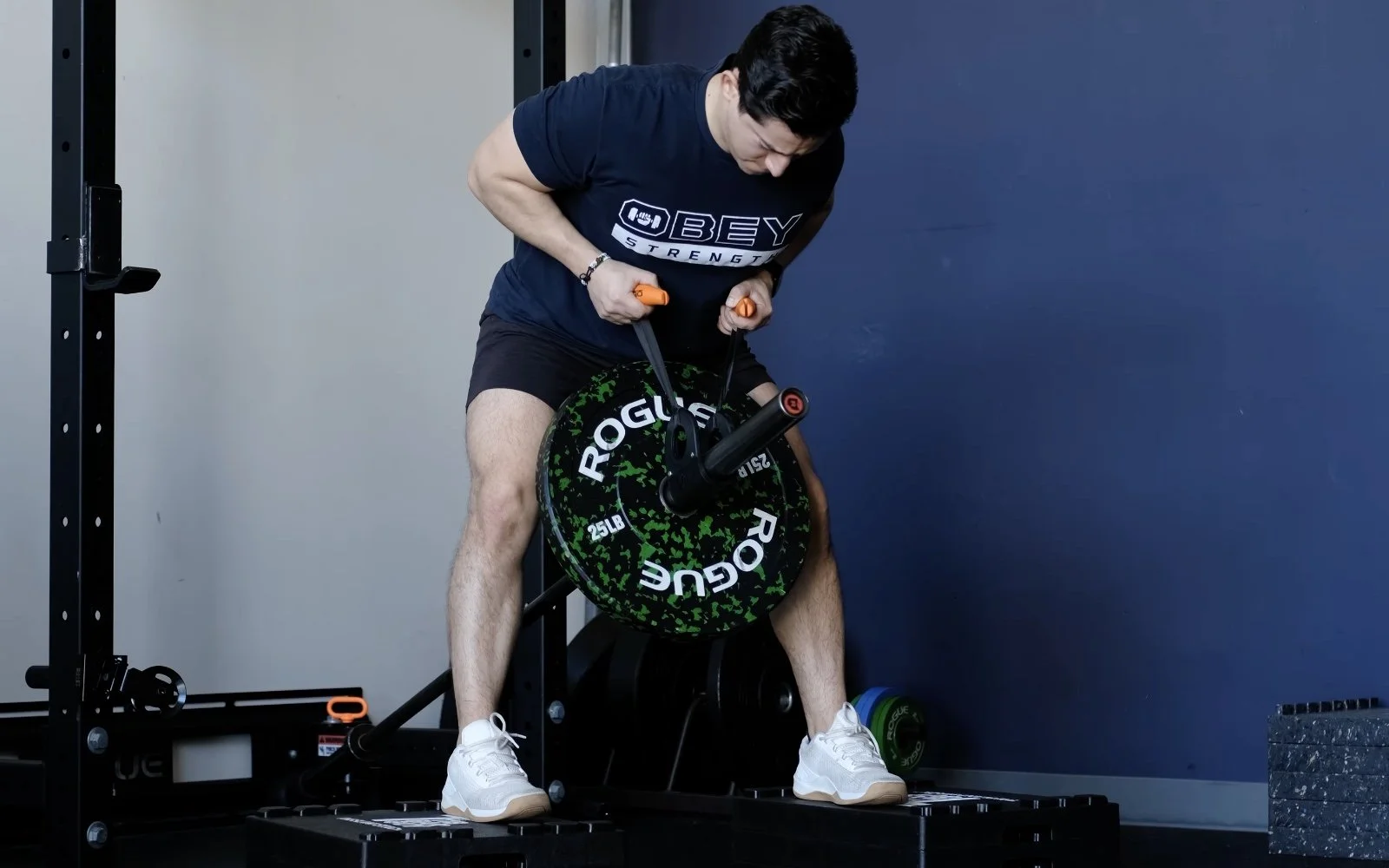
2. Rows
Most barbell row attachments only serve one purpose: being a row attachment.
The UClip does more than that, giving you more flexibility with your training.
You can attach:
Handles
Straps
Chains
Different grips
So instead of buying a separate row attachment, you can just use what you already have.
I’ve used the UClip to perform rows with my Angles90 Grips, Mag Grips, and even the new UClips Smile Handles and W-Grip. These are a few samples of grips and handles you may already have and can use to make your rowing more challenging without purchasing a dedicated row handle that serves only one purpose.
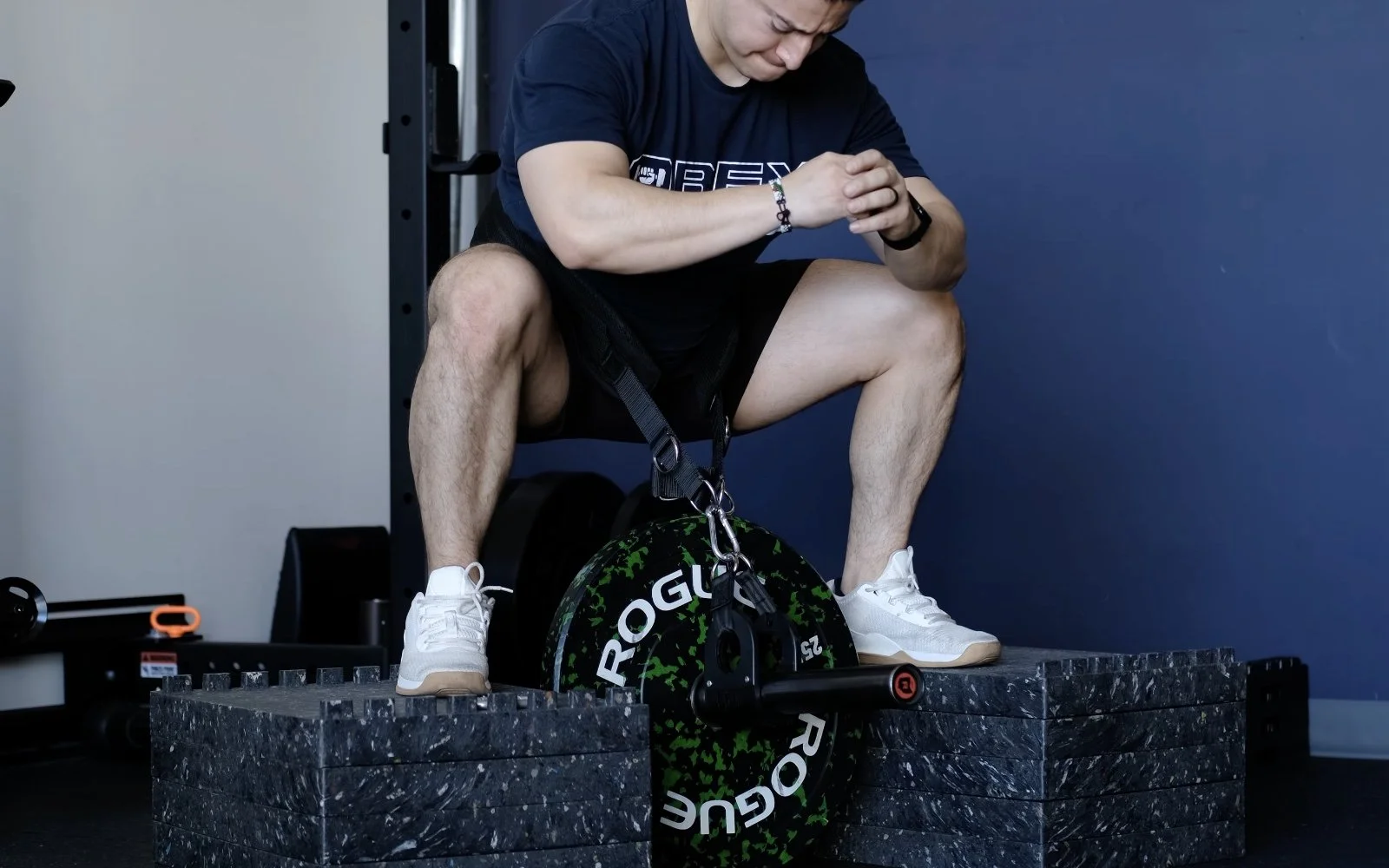
3. Belt Squats
This is a big one. Belt squats let you train your legs without loading your spine.
That’s useful for:
Low back pain
People coming back from injury
Anyone who doesn’t tolerate heavy squats well
Instead of needing a full belt squat machine, you can set one up with this. It definitely requires a longer setup time, but for those who enjoy belt squats, it’s worth it.
You’ll need:
A dip belt or belt squat belt
Something to stand on for height
I’ve used this with both clients and in my own training. It definitely helps to hit the quads in a new way, without relying on back squats. Or if you’re someone who only owns dumbbells, it’s a great way to add heavy squatting to your training.
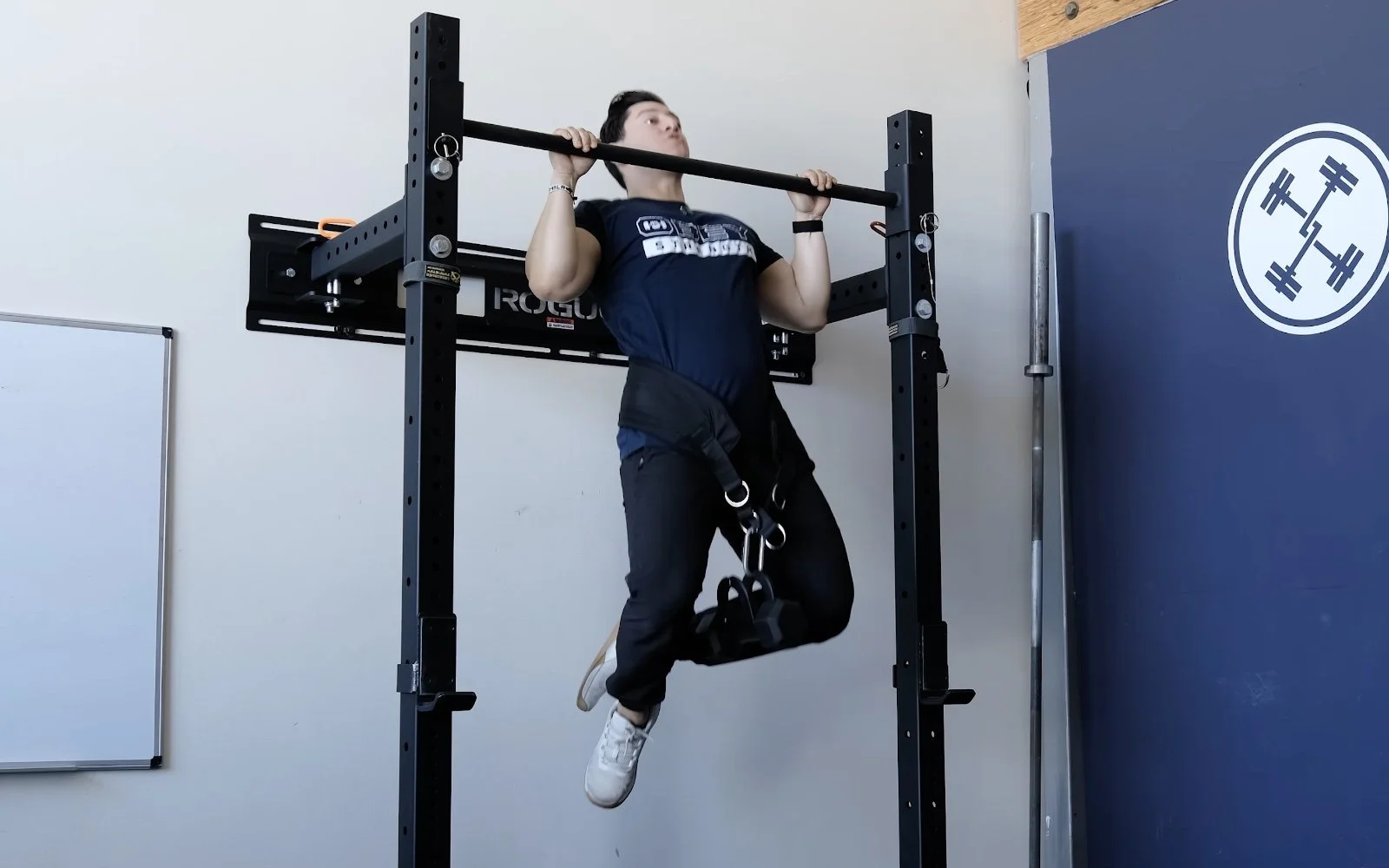
4. Weighted Pull-Ups and DipS
This is one of the more practical uses, and one I;ve used often.
Instead of using plates and feeding a chain through them, you can just use a dumbbell thanks to the UClip.
That makes performing weighted pull-ups and dips easier.
Faster to set up
Easier between sets
Less awkward overall
Once you’re done, just take the dumbbell out and move on.
It’s a small thing, but it makes training smoother. This is also helpful if you want to use smaller weight increments, such as a 20lb dumbbell instead of using two 10lb plates. Also, it makes it easier for those who train with dumbbells or don’t have access to weight plates.
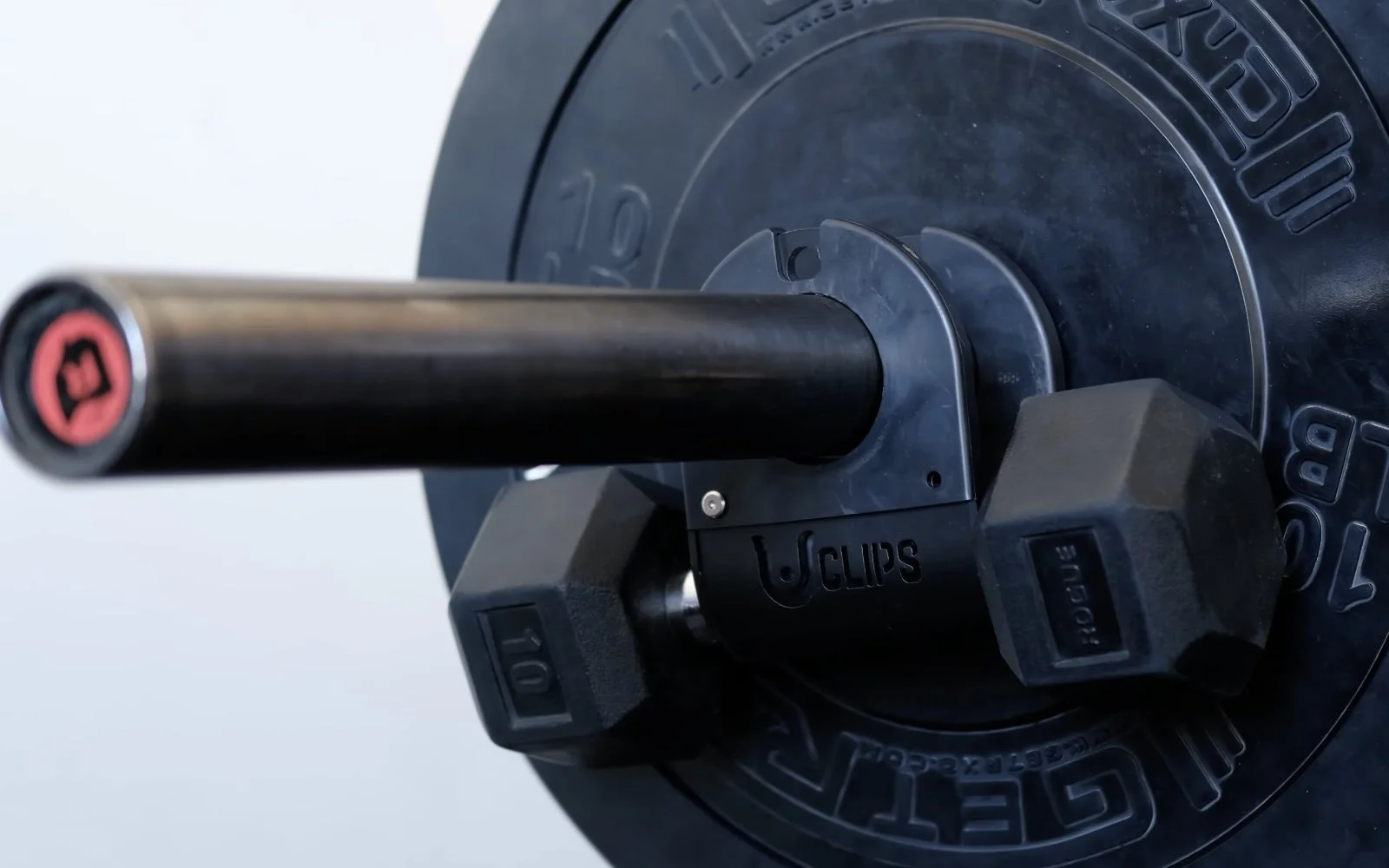
5. Adding More Weight to Your Barbell
This is the one I personally don’t use much, but I get why people like it.
If you don’t have enough plates, you can use two UClips and add dumbbells to each side of the bar. That gives you more load without needing to buy more plates. This is great for individuals who don't want to purchase more plates, aren't in the market for more plates, or need to add a few more pounds to their bar after using up all their weight plates.
For me, I’d rather just use plates. I’ve never really run into the problem of not having enough plates and needing to buy more. But if you’re limited on equipment, this can be useful.
Also, this does require purchasing two UClips. Though they do give you a good discount for purchasing two UClips.
Build Quality (After Almost 2 Years)
Overall, it’s held up well.
The steel is solid
The rubber protects the bar
No major issues with performance
The only thing I noticed is I ended up missing a screw on one side over time. But, I can admit, I have not taken the best care of my UClip. Regardless, it has held up very well.
That hasn’t affected how it works, but it’s something to keep an eye on.
Pros and Cons
Pros
Gives you more exercise options without buying more equipment
Replaces multiple single-use attachments
Works well in both training and rehab settings
Doesn’t take up extra space
Cons
Not a lot of rotation
Requires a little setup and creativity for exercises like belt squats
Small hardware (like screws) can loosen over time, and may require some tightening.
Where to Get It
Purchase Link: UClips - DISCOUNT CODE: DAVESTRENGTH
If you purchase through my link, it does not increase your price. I may receive a small commission, which helps support future equipment reviews and educational content on ObeyStrength.com.
Final Thoughts
If you train in a garage gym or like being able to adjust your setup, this is a useful tool.
It’s not something you need, but it makes your current setup more flexible.
Overall, it’s been a great product that I've used very often, whether during my own training or training clients.
Transparency Note
I purchased the UClip myself and was not paid to create this review.
Some links in this article may be affiliate links, which means I may earn a small commission if you choose to buy—at no extra cost to you. Everything shared here reflects my real-world use as a physical therapist and strength coach.