Chirp Contour Review (2026): A Physical Therapist’s Honest Breakdown
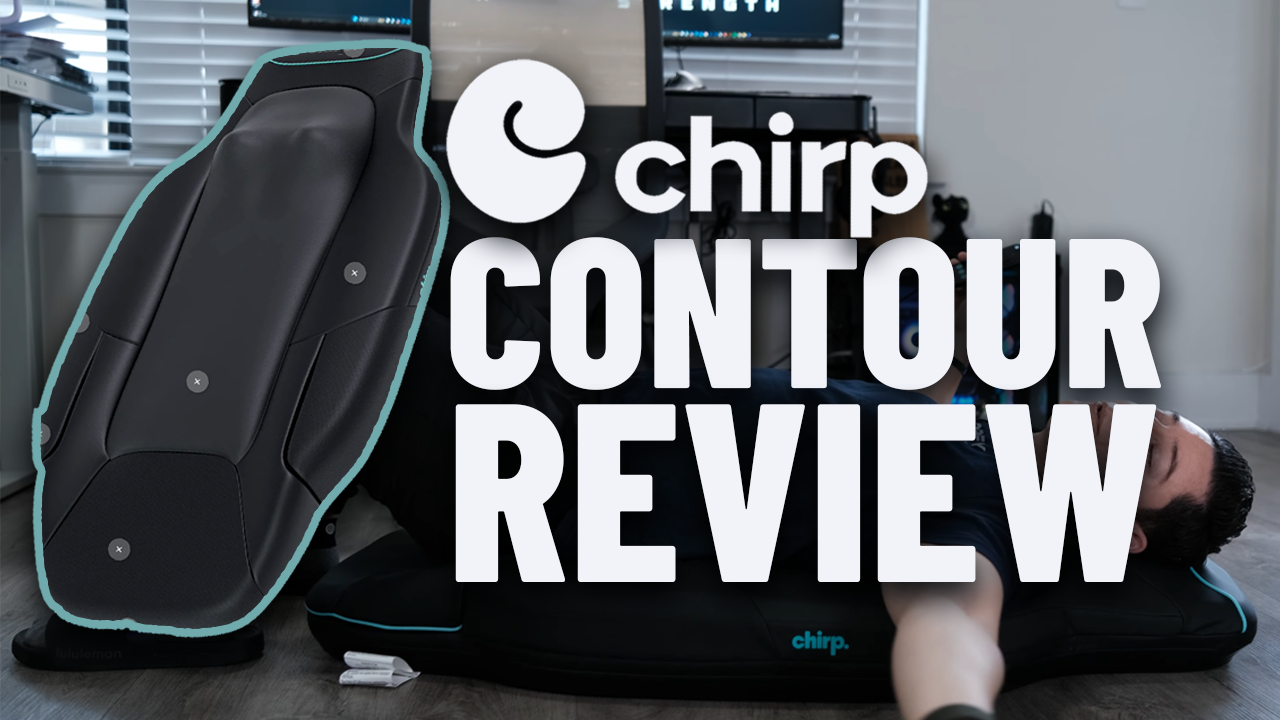
Where to buy: You can find the Chirp Contour here: Chirp Contour
(Using this link doesn’t increase your price and helps support my equipment reviews.)
If you prefer video, you can watch my full hands-on Chirp Contour review on YouTube here:
▶ Watch the full Chirp Contour video review HERE
As a Doctor of Physical Therapy and strength coach, I’m constantly asked about at-home recovery tools that promise pain relief, decompression, and muscle relaxation. One product that has been circulating heavily online is the Chirp Contour, a decompression and massage bed designed to target the back, neck, and shoulders.
Rather than hype it up, this review is meant to educate you on what the Chirp Contour actually does, who it’s for, who should avoid it, and whether it’s worth the investment, from a clinical, real-world perspective.
Transparency note:
The Chirp Contour was sent to me by Chirp for review. At no point did Chirp or anyone from their team tell me what to say, request edits, or influence my opinions in any way. Everything shared in this article reflects my own honest experience and professional perspective as a physical therapist and strength coach.
What Is the Chirp Contour?
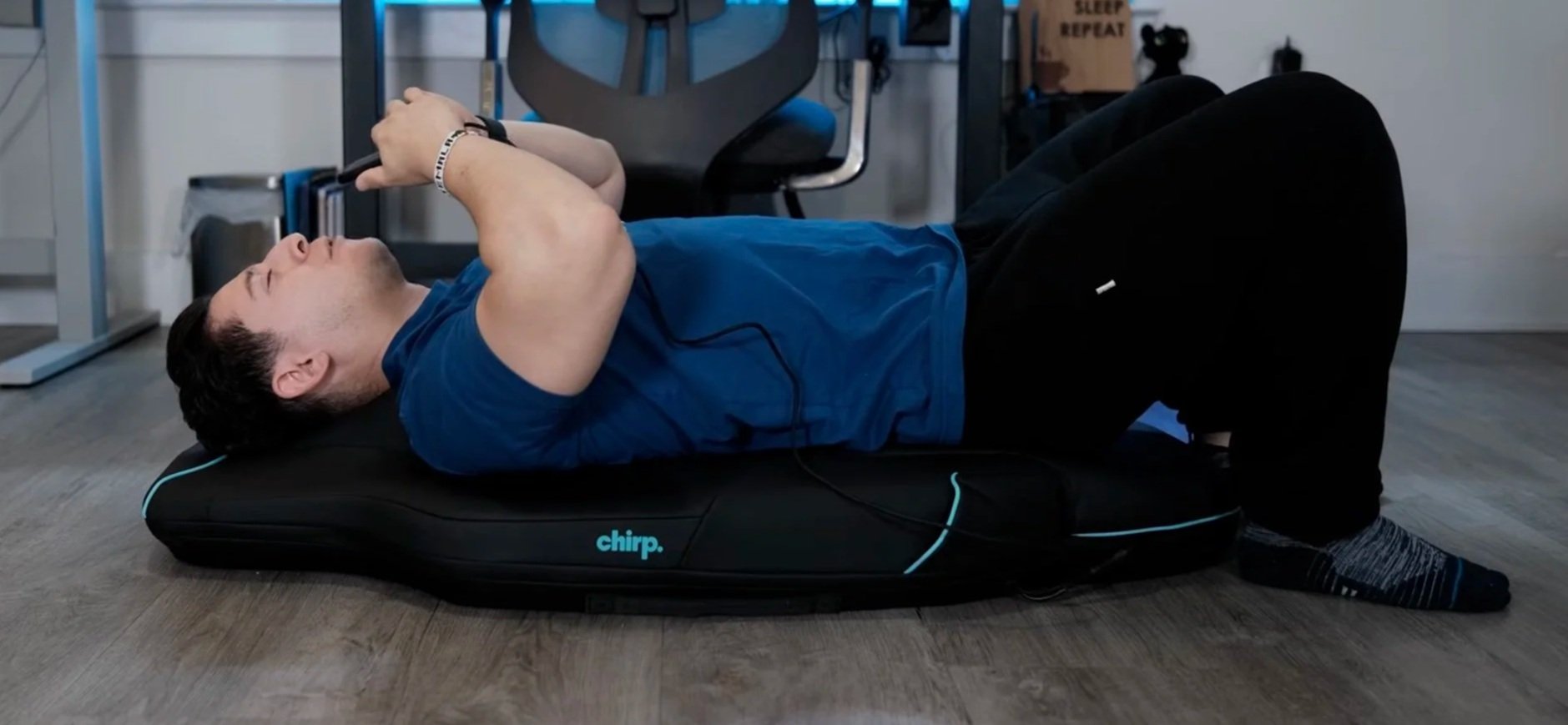
The Chirp Contour is an at-home decompression and massage bed designed to provide:
Rolling massage along the spine
Spinal decompression
Neck and shoulder massage
Optional heat therapy
You lie on your back while a motorized roller system (called the BackTrack™) moves along your spine. The experience is similar to a deep tissue massage combined with gentle spinal traction, but done on the floor in your home.
It’s important to clarify early on: This is not a medical treatment device, and it does not fix underlying spinal conditions. It is a comfort, recovery, and relaxation tool.
How the Chirp Contour Feels in Real Use
When you lie on the Chirp Contour, you’ll notice:
A smooth rolling massage traveling from your lower back toward your upper back
Optional upward pressure during decompression mode that can feel like gentle spinal lifting
A quiet motor that doesn’t distract or feel mechanical
Neck rollers that work the base of the neck and upper traps
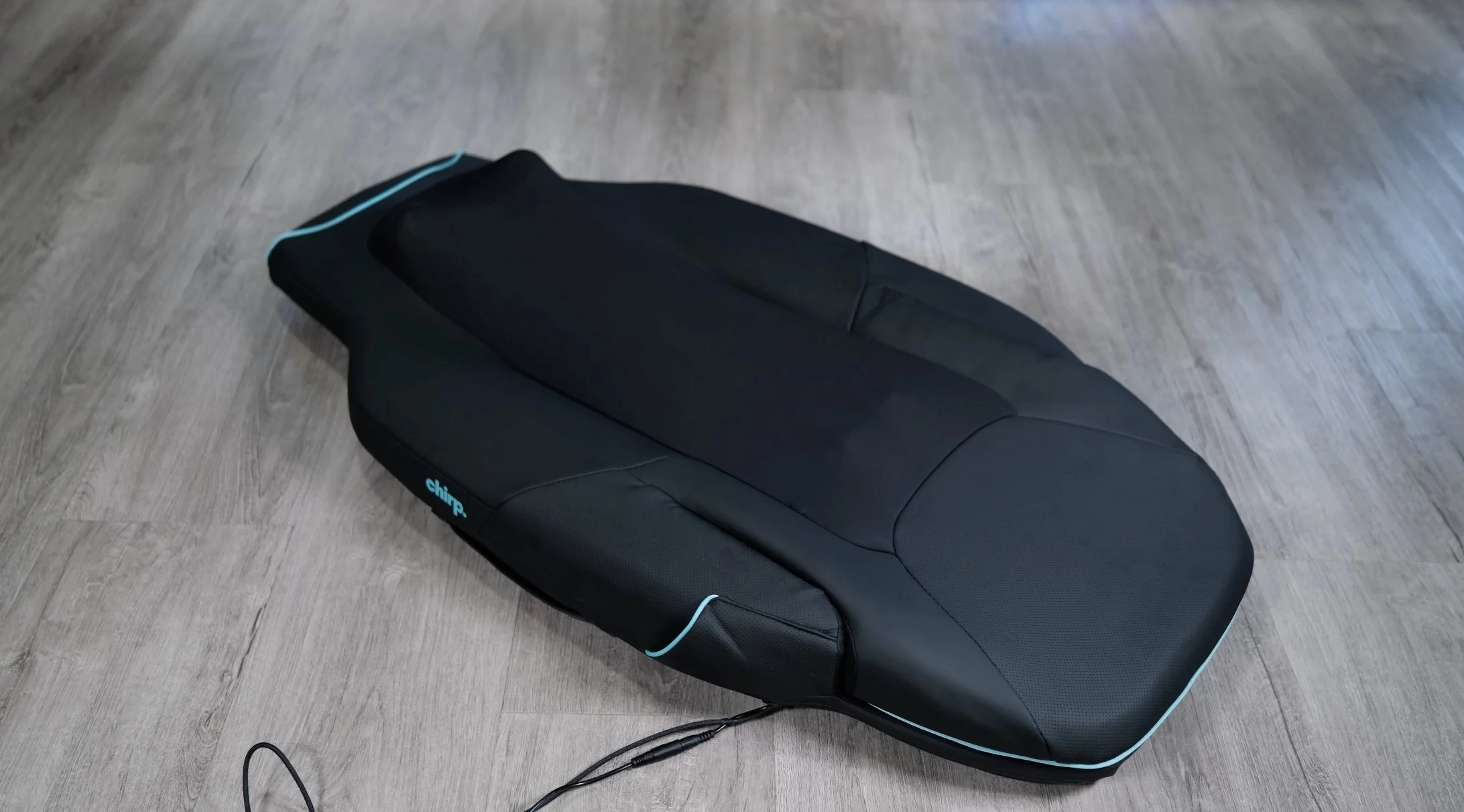
The device features nice padding, making it comfortable to lie on. Very similar to a massage bed. The expensive ones, not the cheap ones.
Massage & Decompression Modes Explained
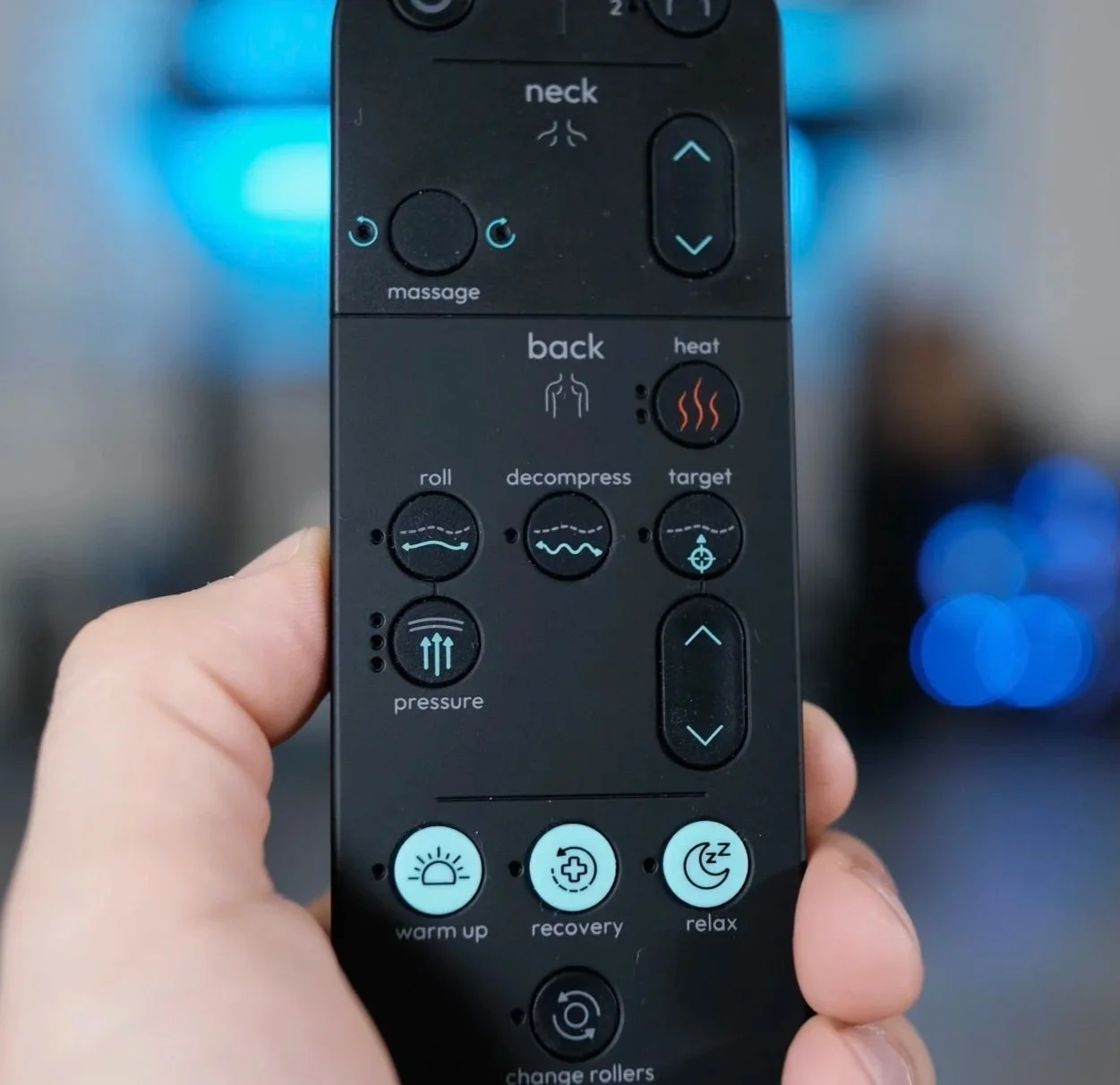
The Chirp Contour is controlled using a simple, wired handheld remote, which allows you to switch between massage modes, decompression, neck settings, heat levels, and preset programs without having to get up or reposition yourself. The layout is intuitive and easy to use, and there’s even a built-in holder on the side of the unit to keep the remote within reach during sessions.
The Chirp Contour offers three massage modes:
1. Roll Mode
Continuous rolling from lower to upper back
Feels like hands or fists moving along the spine when getting a massage
Adjustable pressure (Levels 1–3)
Best for general relaxation and soreness
2. Decompression Mode
Rolling massage plus upward pressure
Creates a lifting sensation through the spine
Feels deeper and more aggressive
May notice a few spine “pops and cracks” that relieve tension
Pressure level is fixed (not adjustable)
3. Targeted Mode
Locks the rollers onto one specific spinal region
Ideal for tight spots or “knots”
Can be adjusted slightly up or down once locked in
Great for anyone who wants to focus on one segment of the spine
Neck Massage & Heat Features
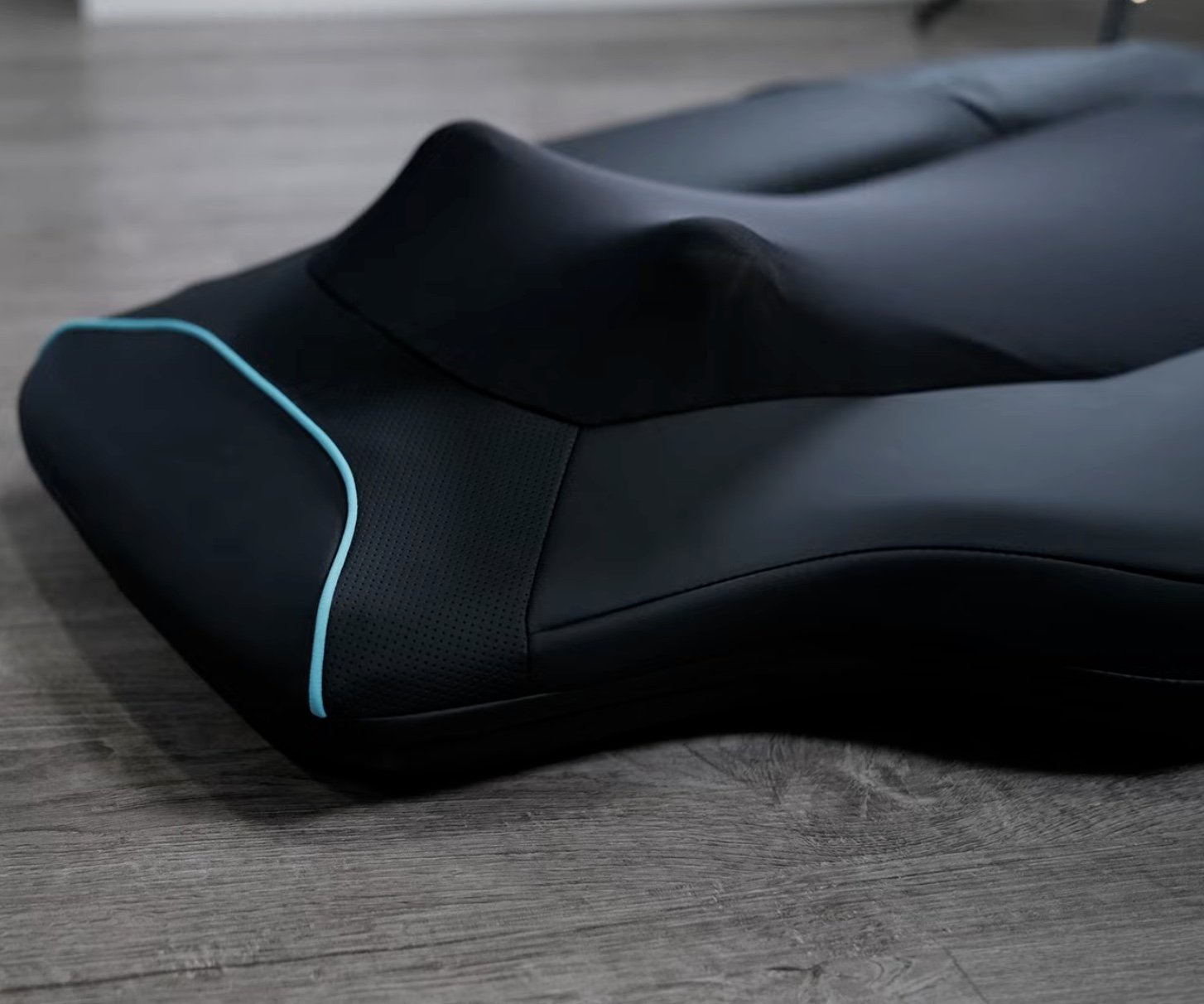
The Chirp Contour also includes:
Adjustable neck massage height (based on your body size)
Massage coverage for:
Neck muscles
Upper trapezius (shoulder muscles)
Two heat levels
Subtle warmth (not intense heat)
From a clinical perspective:
Heat is mild but helpful
Not as hot as a heating pad
Works best when paired with massage rather than alone
Roller Attachments:
One of the best design features is the interchangeable roller system.
Soft Roller
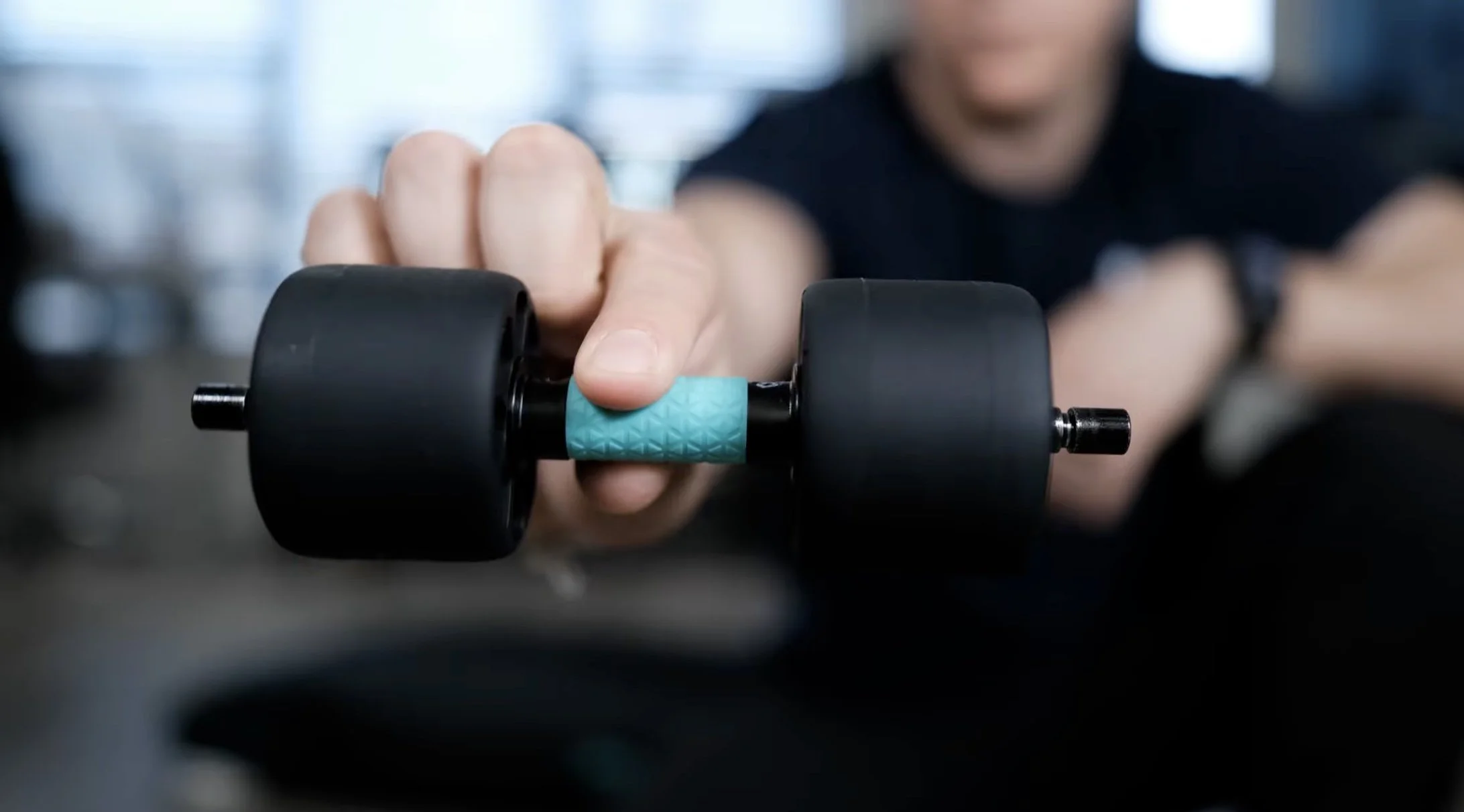
Best starting option
Gentle pressure
Ideal for first-time users
Contour Roller
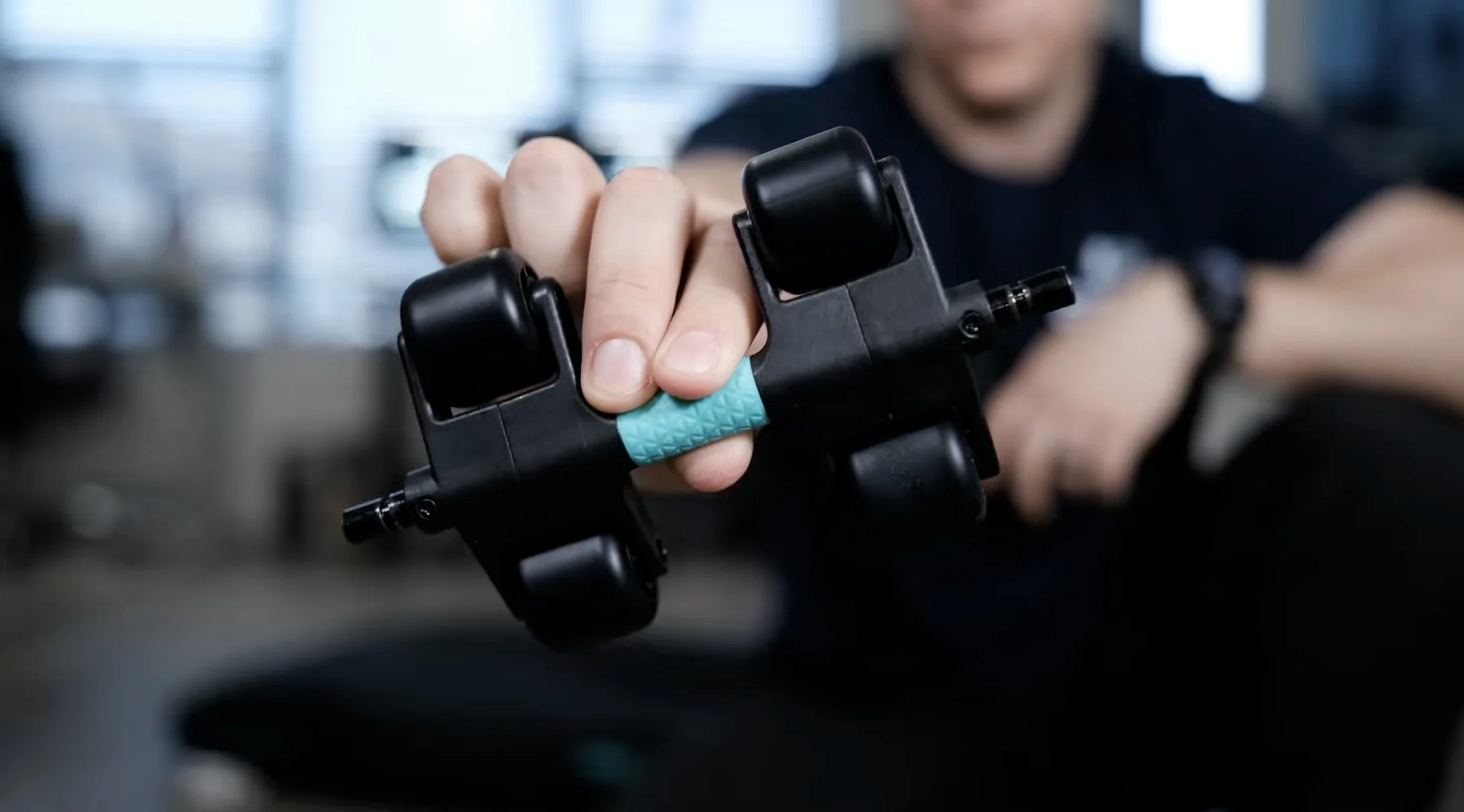
Four points of contact
Slightly more aggressive
My personal favorite for daily use
Deep Tissue Roller
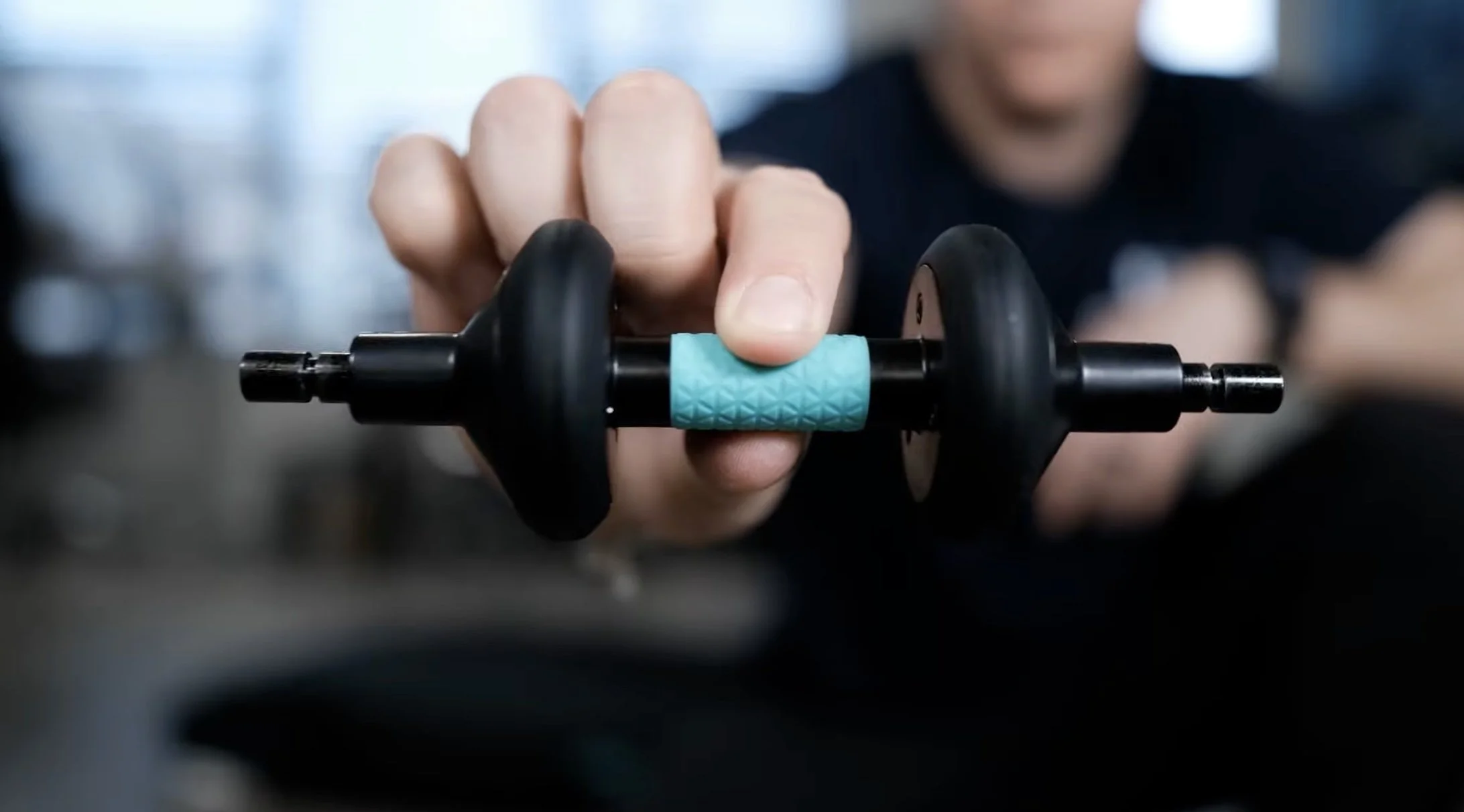
Narrower, more focused pressure
Can feel intense
Best for experienced users
Clinical tip:
Start with the soft roller and progress slowly. Jumping straight to deep tissue can be too aggressive for many people.
NEW ROLLERS
Since my review, Chirp has released two additional rollers for the Chirp Contour: The Contour Plus Roller and the Contour Intense Relief Roller. You can find them HERE
Build Quality & Size
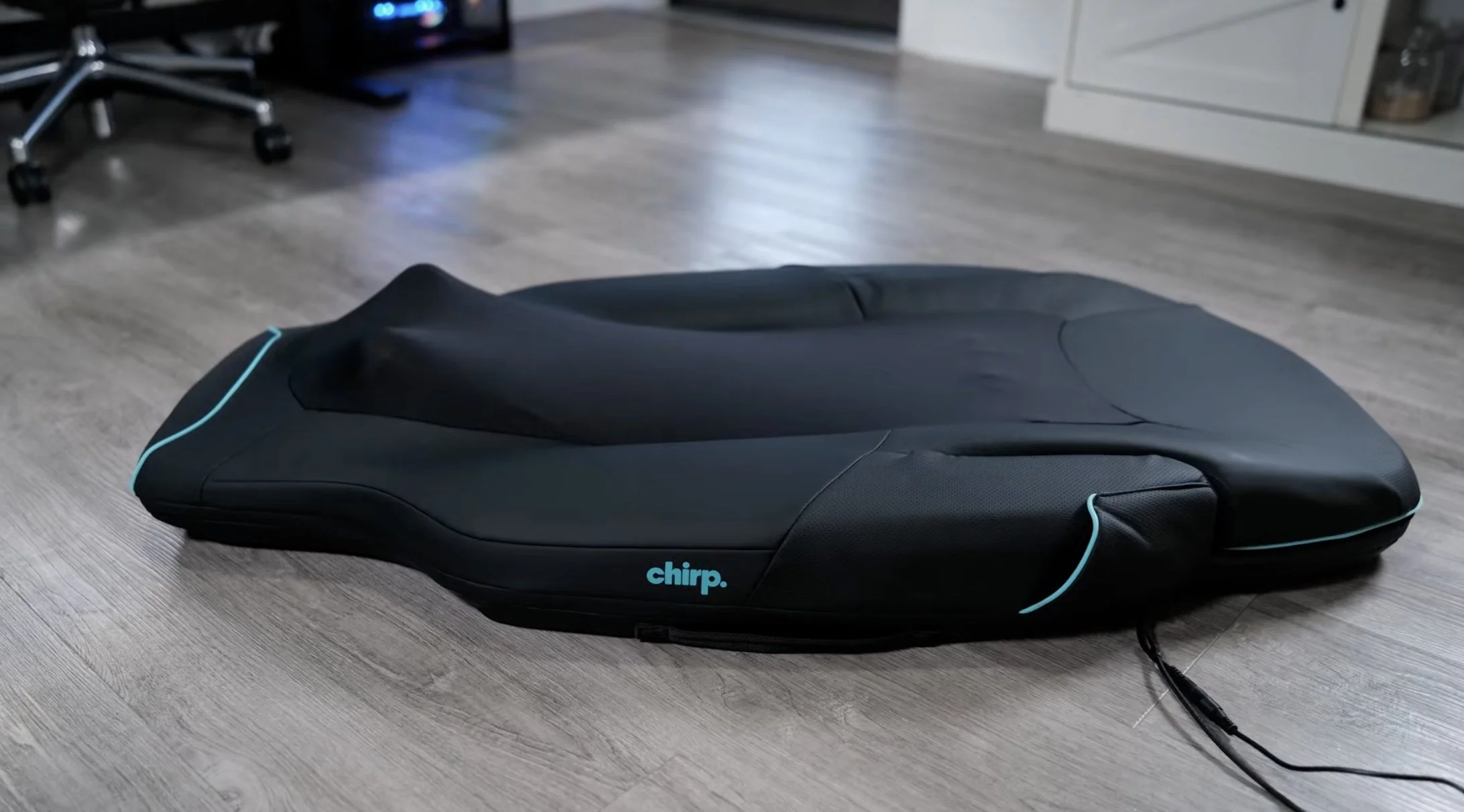
The Chirp Contour feels well-built and premium:
Weight: 22 lbs
Length: 43 inches
Width: 22 inches
Height: 7 inches
It’s easy to:
Slide under a bed
Store in a closet
Lean against a wall
It also includes:
Side handle for carrying
Controller holder
Quiet motor operation
Small downside:
The power cord could be longer, which may limit placement near outlets. You’ll find yourself needing to use the Contour near a wall outlet or using an extension cable.
Height & Weight Limits
Height range: 5’0” to 6’5”
Weight limit: 250 lbs
If you fall outside these ranges, the device may not position correctly for your spine or neck.
Who the Chirp Contour Is For
This is a good option if you:
Work at a desk for long hours
Train regularly and feel sore or stiff
Deal with chronic back or neck tension
Want at-home recovery without scheduling massages
Prefer convenience over appointments
Who Should NOT Use It
You should avoid using the Chirp Contour if you currently have:
Acute disc herniation
Recent disc bulge
Severe sciatica
Recent muscle strain or injury
Undiagnosed back pain
In these cases, see a physical therapist or physician first before using decompression-based devices.
Pros & Cons Breakdown
Pros
Easy to use
Comfortable and quiet
Multiple massage and decompression modes
Neck massage + heat included
Interchangeable roller intensity
Convenient at-home recovery
Cons
Height range won’t fit everyone
Heat could be hotter
Power cord is short
Price may feel high upfront
Price & Value Perspective
At the time of this review, the Chirp Contour costs $599.
That price can feel high, until you compare it to:
Massage therapy: $70–$200 per session
3–4 sessions ≈ cost of the device
If you’re looking for:
Full-body massage → see a massage therapist
Targeted back/neck relief at home → this makes more sense
Final Thoughts: Is the Chirp Contour Worth It?
The Chirp Contour is not a miracle cure and won’t fix structural back problems, but that’s not what it’s designed to do.
It does provide:
Reliable muscle relief
Comfortable decompression sensations
Easy, repeatable recovery at home
I personally use it daily, usually:
10 minutes after work
10 minutes at night while relaxing
If you understand its purpose and limitations, it can be a very solid recovery tool.
Transparency Note
Disclosure reminder: While this product was provided to me for review, all opinions, observations, and conclusions are my own. My goal with equipment reviews is education—not promotion—so readers can decide what’s right for their body and situation.
Affiliate disclosure:
You can find the Chirp Contour here: Chirp Contour
If you purchase through my link, it does not increase your price. I may receive a small commission, which helps support future equipment reviews and educational content on ObeyStrength.com.
About the Author
Dr. David Lauzurique, DPT, CSCS, is a Doctor of Physical Therapy, Certified Strength & Conditioning Specialist, and the founder of Obey Strength. He specializes in strength training, injury rehab, and evidence-based recovery strategies for athletes and everyday individuals. Through his clinical work and online platform, he provides educational articles and hands-on equipment reviews to help readers make informed decisions about fitness and rehab tools without hype or gimmicks.
Learn more at obeystrength.com, where he publishes strength, rehab, and equipment reviews from a clinician’s perspective.